Tag Student Information System
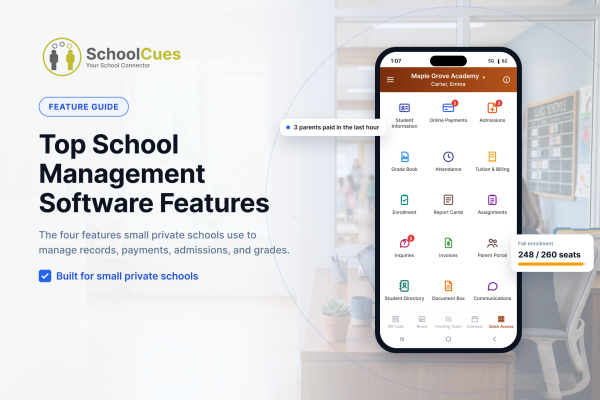
Small private schools almost always ask two questions about school management software in the same breath: what does it actually do, and what does it actually cost? Most vendors make you dig for both answers separately. Here is the shortcut:… Continue Reading →

TL;DR — Manual attendance tracking at a small school costs 30–45 minutes of administrative time every single day — paper registers, parent phone calls, and manual compliance report compilation. Digital attendance systems recover that time through automated parent notifications, mobile… Continue Reading →

Education is changing rapidly, especially for small schools looking for more flexible and personalized learning models. One of the biggest trends in modern education is the rise of micro schools. Parents, educators, and school leaders are increasingly exploring micro schools… Continue Reading →
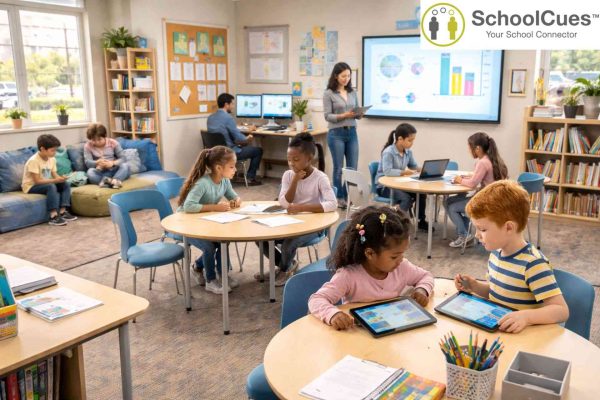
Choosing the right student information system (SIS) is one of the most important decisions a school can make. A reliable student information system for schools can simplify administration, improve communication, streamline student data management, and help schools operate more efficiently…. Continue Reading →
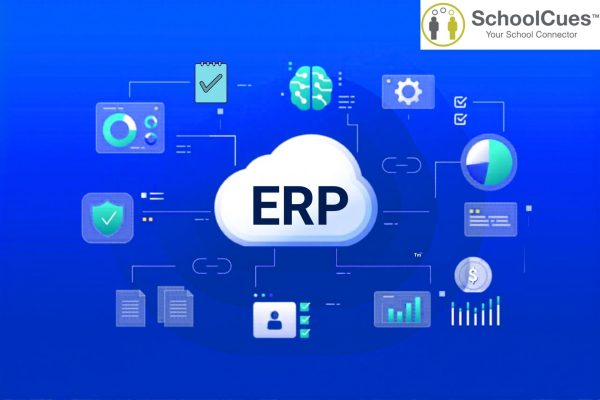
Implementing ERP school management software has become essential for schools that want to stay efficient, organized, and future-ready. From automating administrative tasks to improving communication and visibility across departments, the right system can significantly transform daily operations. For smaller institutions,… Continue Reading →
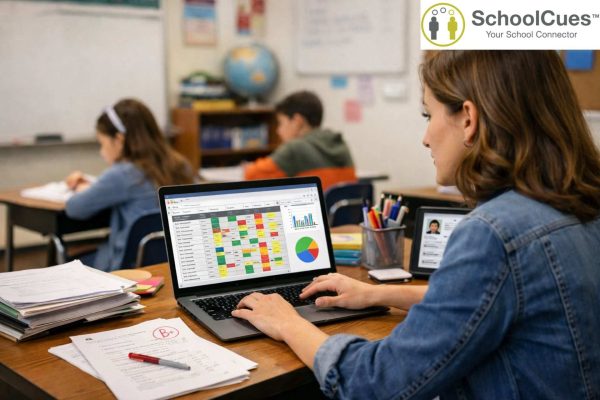
TL;DR — A digital gradebook system lets teachers record, calculate, and share student grades from any device. Unlike paper methods, it automates report cards, sends instant parent alerts when grades drop, and connects to attendance and payment data — reducing… Continue Reading →
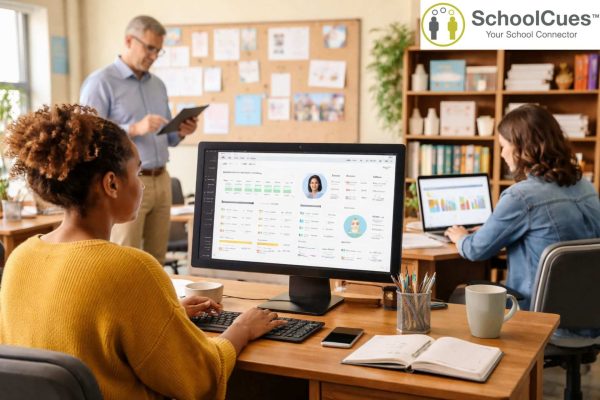
Managing student information has always been an important part of running a school—but for small schools, it can quickly become overwhelming. Limited staff, tight budgets, and growing expectations from parents and administrators mean that even simple tasks can turn into… Continue Reading →

For small schools, every investment carries weight. Budgets are often limited, and administrative teams are lean, making it essential to choose tools that genuinely improve day-to-day operations. This is especially true when considering a student information system. Many school leaders… Continue Reading →

Traditional classroom grading methods were built for an era of manual record-keeping, but today’s schools require faster feedback and better visibility into student progress. Currently, many schools use paper gradebooks and spreadsheets, which increase teacher workload and delay meaningful academic… Continue Reading →
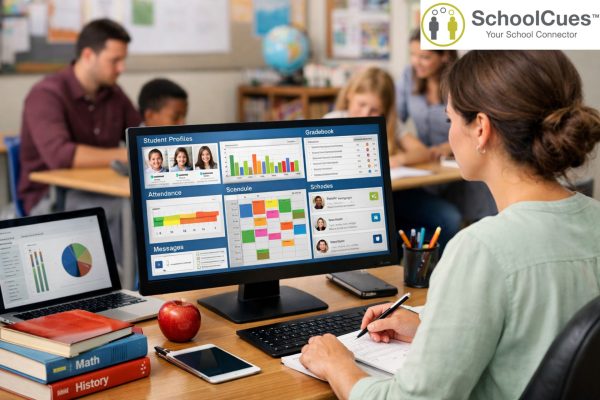
Small schools often struggle to balance academic priorities with administrative demands. With limited budgets and small teams, schools are increasingly looking for low-cost student information systems that simplify administration while supporting academic needs. This is where choosing the right SIS… Continue Reading →
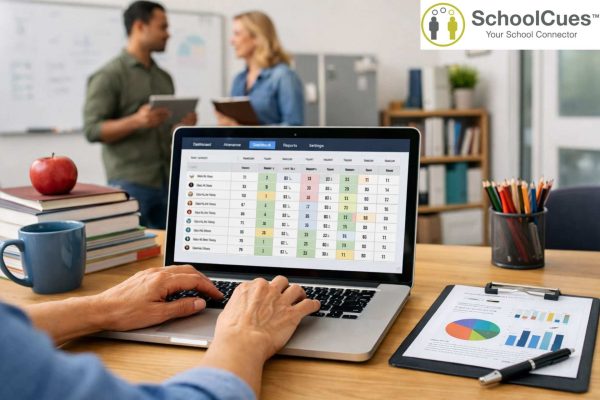
Why Online Gradebooks Matter in 2026 In 2026, schools are under increasing pressure to do more with fewer resources. Teachers manage larger workloads, parents expect instant updates, and administrators need accurate data to make informed decisions. This is why the… Continue Reading →
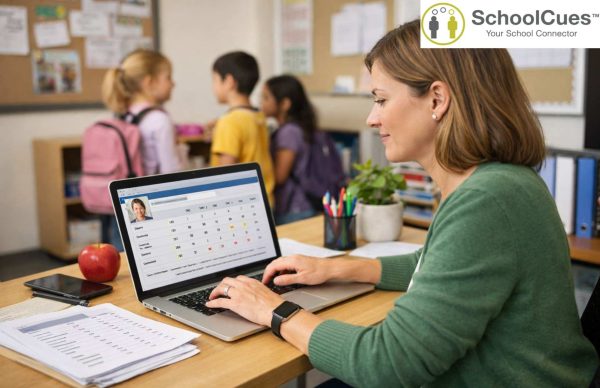
Report cards remain one of the most important communication tools between schools and families, yet many small schools still struggle with outdated, time-consuming processes for creating and distributing them. Whether you’re launching a new school, redesigning your current report card… Continue Reading →
School database management systems (DBMS) give small school administrators a practical way to replace scattered spreadsheets, paper files, and disconnected apps with a single, organized source of truth. The result is less time on manual tasks and more time focused… Continue Reading →

A school’s grading policy does more than assign letters or percentages—it shapes learning culture, influences student motivation, and sets expectations for families and teachers. For small schools in the United States, understanding the broader USA grading system is crucial when… Continue Reading →

Montessori education has long been admired for its unique philosophy — one that gives children the freedom to explore, learn at their own pace, and develop independence. However, this same flexibility often raises an important question: Can Montessori schools balance… Continue Reading →