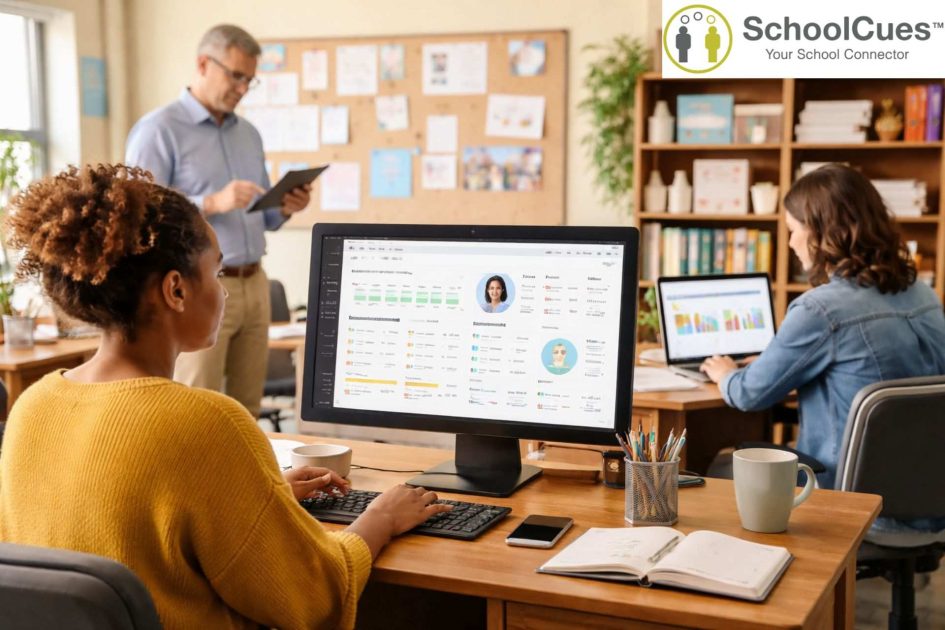
Managing student information has always been an important part of running a school—but for small schools, it can quickly become overwhelming. Limited staff, tight budgets, and growing expectations from parents and administrators mean that even simple tasks can turn into time-consuming processes. That’s where having a reliable student management software can make a meaningful difference.
The Hidden Complexity of “Simple” Systems
Many small schools start with basic tools—spreadsheets for attendance, separate platforms for grading like an online gradebook, and maybe a shared drive for documents. At first, this setup feels manageable. But over time, cracks begin to show.
Data gets duplicated. Information becomes outdated. Staff members spend extra time searching for records or verifying details. Even something as straightforward as updating a student’s contact information can require changes in multiple places.
This is where a fragmented approach turns into a real burden. Without a unified school database management system, small inefficiencies stack up into larger problems—lost time, increased errors, and unnecessary stress for staff.
Why One System Changes Everything
A centralized student information system allows schools to store, access, and manage all student-related data in one place. Instead of switching between tools, staff can rely on a single source of truth.
Here’s what that shift looks like in practice:
- Consistency across records: When data is updated once, it’s updated everywhere.
- Faster access to information: Staff can quickly find what they need without digging through files.
- Improved collaboration: Teachers, administrators, and support staff stay aligned with shared data.
- Reduced administrative workload: Automation replaces repetitive manual tasks.
For small schools, this kind of efficiency isn’t just helpful—it’s essential.
Simplifying Everyday Tasks
A well-designed student management software system streamlines daily operations in ways that are easy to overlook but deeply impactful.
Attendance Tracking
Instead of paper sheets or manual entry, attendance can be recorded digitally using a student attendance tracker and instantly reflected across the system. This reduces errors and makes reporting much easier.
Grading and Progress Monitoring
Teachers can input grades directly into the system, similar to a teacher gradebook, where they are automatically calculated and organized. This eliminates the need for separate gradebooks and reduces the risk of inconsistencies.
Communication
Many systems include built-in communication tools, such as automated school reminders, allowing schools to send updates to parents and students without switching platforms. This keeps everyone informed while saving time.
Reporting
Generating reports—whether for internal use or compliance—becomes a straightforward process. Data is already organized and ready to be analyzed.
When these everyday tasks are simplified, staff can focus more on supporting students rather than managing systems.
Designed for Small School Realities
Large institutions often have entire teams dedicated to managing data systems. Small schools don’t have that luxury. That’s why choosing the right SIS for small schools is so important.
The ideal system should be:
Affordable: Budget constraints are real, and solutions need to reflect that, such as affordable school management software.
- Easy to use: Staff shouldn’t need extensive training to get started.
- Scalable: As schools grow, the system should grow with it.
- All-in-one: Multiple tools mean more complexity—one system reduces it.
Small schools benefit most from solutions that are built with their specific challenges in mind, rather than scaled-down versions of enterprise tools.
Reducing Errors and Improving Accuracy
Manual data entry across multiple systems increases the likelihood of mistakes. Even small errors—like a misspelled name or incorrect contact details can create confusion and require time to fix.
A centralized student records management software minimizes these risks by:
- Eliminating duplicate data entry
- Standardizing information formats
- Providing real-time updates
This leads to more accurate records and greater confidence in the data being used for decision-making.
Supporting Better Decision-Making
When data is organized and accessible, it becomes a powerful tool rather than a burden.
School leaders can quickly identify trends, such as attendance patterns or academic performance, and take action where needed. Teachers can better understand student progress and tailor their support accordingly.
With a strong student data management system, decisions are based on clear, reliable information—not guesswork or incomplete records.
Where Tools Like SchoolCues Fit In
Platforms like SchoolCues are designed with small schools in mind, offering a way to bring essential functions—communication, data management, and daily operations—into one place. Rather than requiring schools to piece together multiple tools, solutions like this aim to simplify the experience and reduce administrative strain.
The value isn’t in adding another layer of technology, but in removing the complexity that comes from having too many disconnected systems. When everything works together, staff can spend less time managing data and more time focusing on students.