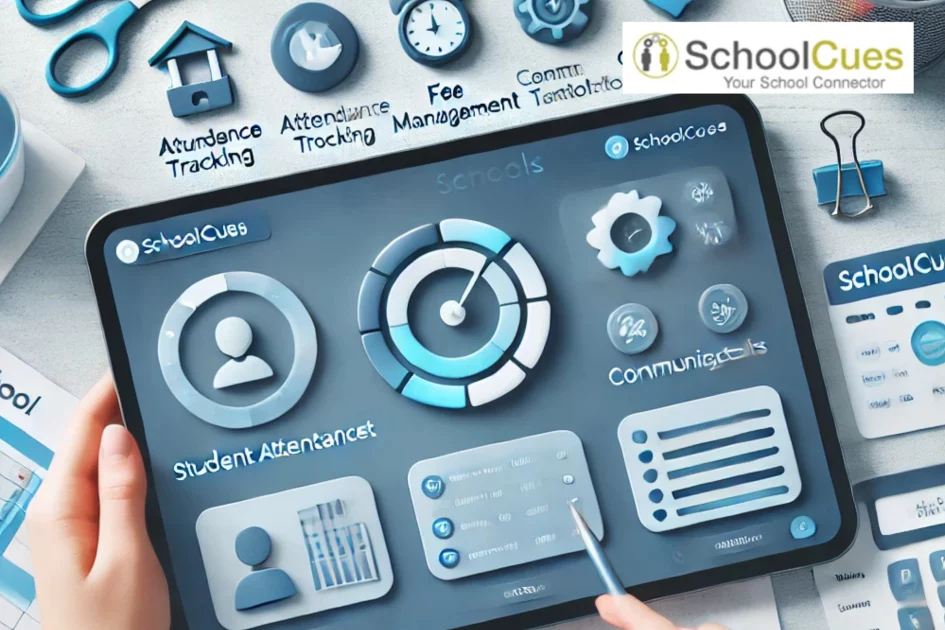
Small schools often operate with limited resources, making it challenging to balance administrative efficiency with delivering high-quality education. Managing tasks such as attendance tracking, fee collection, and student data management manually can be time-consuming and error-prone. Fortunately, technological advancements have made it possible for small schools to adopt affordable management systems that streamline operations without compromising on quality. This article explores practical strategies, tools, and best practices to help small schools implement Low-Cost School Management Systems while maintaining excellence in education.
The Need for School Management Systems in Small Schools
Small schools frequently face resource constraints, making it essential to optimize every aspect of their administration. Manual processes for tasks like attendance tracking, fee collection, and student data management are not only inefficient but also prone to errors. A robust school management system can automate these tasks, improve operational efficiency, and enhance communication among teachers, parents, and administrators.
However, the cost of implementing such systems can be a significant barrier for small schools. The good news is that there are affordable and even free solutions available that cater specifically to the needs of small institutions. By carefully selecting the right tools and strategies, small schools can achieve operational excellence without exceeding their budgets.
Key Features to Look for in Low-Cost School Management Systems
When choosing a school management system, small schools should prioritize features that align with their specific needs. Here are some essential features to consider:
- Cloud-Based Access:
Cloud-based systems allow schools to access data from anywhere, reducing the need for expensive on-premise infrastructure. They also offer automatic updates and backups, ensuring data security. - Student Information System (SIS):
A comprehensive SIS helps manage student records, attendance, grades, and performance. Look for systems that offer customizable reporting and analytics. - Fee Management:
Automated fee collection and tracking can save time and reduce errors. Some systems also integrate with payment gateways for seamless transactions. - Attendance Tracking:
Digital attendance systems eliminate manual record-keeping and provide real-time insights into student attendance patterns. - Communication Tools:
Built-in messaging and notification features facilitate better communication between teachers, parents, and administrators. - Scalability:
Choose a system that can grow with your school. Scalable solutions allow you to add features or users as your needs evolve. - User-Friendly Interface:
A simple and intuitive interface ensures that staff and teachers can easily adopt the system without extensive training.
Strategies for Implementing Low-Cost Management Systems
1. Assess Your School’s Needs
Before investing in any software, thoroughly assess your school’s requirements. Identify pain points in your current processes and prioritize features that address these challenges. For example, if attendance tracking is a major issue, focus on systems with robust attendance management capabilities.
2. Explore Free and Open-Source Solutions
There are several free and open-source school management systems available that offer basic features at no cost. Examples include:
- OpenSIS: A free student information system that supports attendance tracking, grade management, and reporting.
- Fedena: An open-source school management software with modules for attendance, exams, and fee management.
While these solutions may lack advanced features, they can be a great starting point for small schools with limited budgets.
3. Leverage Cloud-Based Platforms
Cloud-based school management systems are often more affordable than traditional software because they eliminate the need for expensive hardware and maintenance. Popular options include:
- Google Workspace for Education: Offers tools like Google Classroom, Google Drive, and Google Sheets for managing classrooms, assignments, and data.
- Classter: A cloud-based platform designed for small schools, offering modules for admissions, attendance, and communication.
4. Opt for Modular Solutions
Some school management systems offer modular pricing, allowing schools to pay only for the needed features. This approach ensures that you don’t overspend on unnecessary functionalities. For example, you can start with basic modules like attendance and fee management and add advanced features like exam scheduling or library management later.
5. Utilize Mobile Apps
Many low-cost school management systems offer mobile apps that enable teachers and administrators to manage tasks on the go. Mobile apps are particularly useful for attendance tracking, sending notifications, and accessing student records.
6. Train Your Staff
Effective implementation of any management system requires proper training. Ensure that your staff is well-versed in using the software to maximize its benefits. Many vendors offer free training resources, including video tutorials and user guides.
7. Monitor and Evaluate
After implementing a management system, regularly monitor its performance and gather user feedback. This will help you identify areas for improvement and ensure that the system continues to meet your school’s needs.
Top Low-Cost School Management Systems for Small Schools
Here are some affordable and highly-rated school management systems that are ideal for small schools:
- Classter:
A cloud-based platform that offers modules for admissions, attendance, and communication. It is highly customizable and scalable, making it suitable for small schools. - Fedena:
An open-source school management system with features like attendance tracking, exam management, and fee collection. It also offers a free version with basic functionalities. - OpenSIS:
A free student information system that supports attendance tracking, grade management, and reporting. It is user-friendly and ideal for small schools. - Skoolee:
A low-cost school management system designed for small and medium-sized schools. It offers modules for attendance, grading, and fee management. - Google Workspace for Education:
While not a dedicated school management system, Google Workspace offers a suite of tools that can be used to manage classrooms, assignments, and data. It is free for eligible institutions.
Why SchoolCues Stands Out as the Ideal Choice for Small Schools
When selecting a school management system tailored for small schools, SchoolCues emerges as a standout option. Designed specifically for small and private schools, SchoolCues offers a comprehensive suite of features that address the unique challenges faced by smaller institutions.
Key Advantages of SchoolCues:
- Affordability:
SchoolCues is priced competitively, making it an excellent choice for schools with limited budgets. Its modular pricing allows schools to pay only for the features they need. - Ease of Use:
With a user-friendly interface, SchoolCues ensures that even staff with minimal technical expertise can navigate the system effortlessly. - All-in-One Solution:
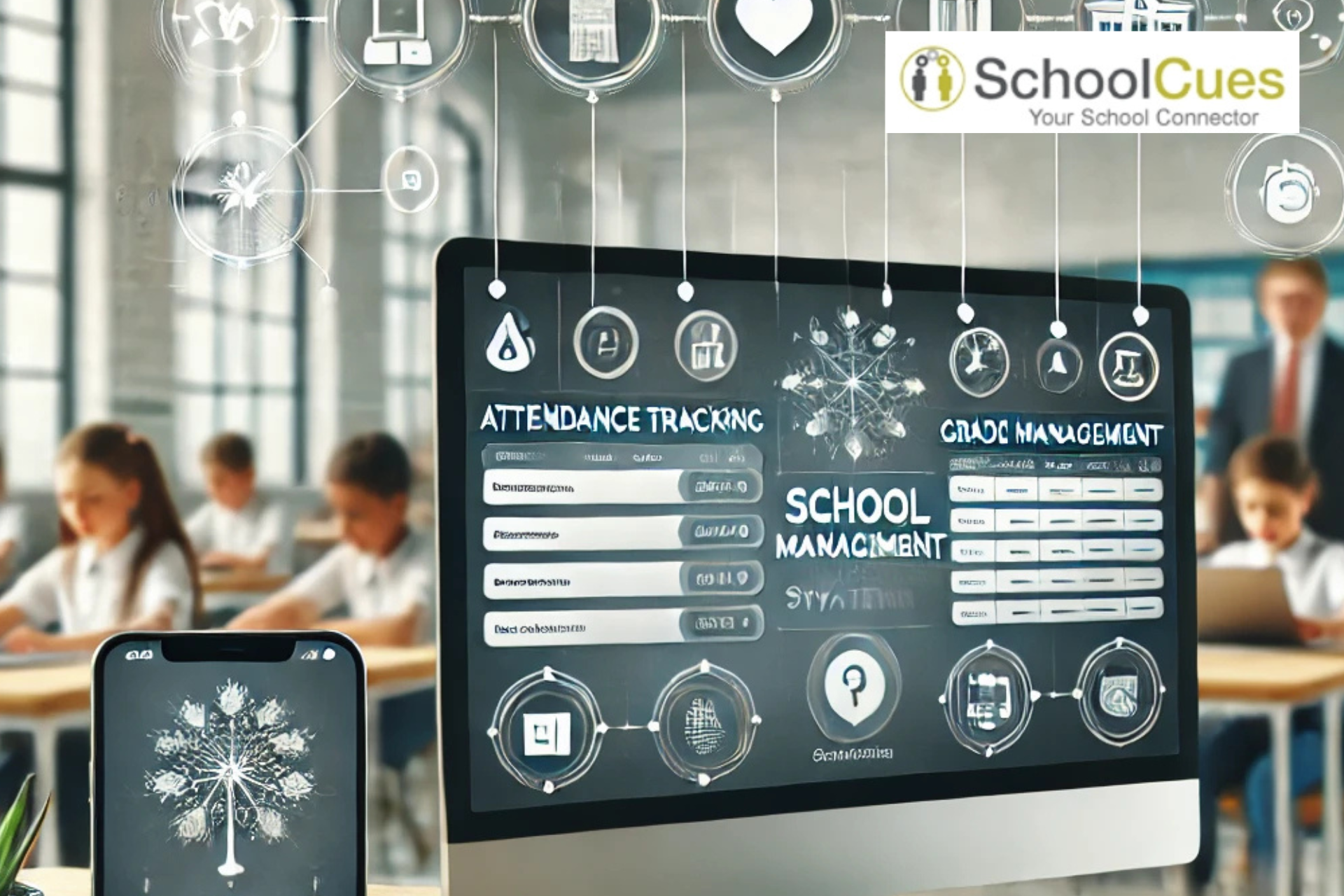
SchoolCues integrates multiple functionalities, including admissions management, attendance tracking, fee collection, and communication tools, into a single platform. - Customizable Features:
The system allows schools to customize modules according to their specific needs, ensuring a tailored solution that grows with the institution. - Excellent Support:
SchoolCues provides robust customer support, including training resources and responsive assistance, to ensure smooth implementation and ongoing use.
Case Study: How SchoolCues Transformed a Small School’s Operations
Maplewood Elementary, a small private school with 150 students, struggled with disjointed administrative processes and inefficient communication. After implementing SchoolCues, the school experienced significant improvements:
- Streamlined Admissions: The online admissions module reduced paperwork and processing time by 40%.
- Enhanced Communication: Built-in messaging tools improved parent-teacher communication, leading to higher engagement.
- Efficient Fee Management: Automated fee collection eliminated errors and saved administrative time.
Final Thoughts
Implementing a low-cost school management system is feasible and essential for small schools aiming to enhance their operational efficiency. By carefully assessing their needs, exploring affordable solutions, and training their staff, small schools can leverage technology to streamline their processes without sacrificing quality. With the right tools and strategies, even the smallest institutions can achieve significant results.
Whether you opt for a free open-source solution or a scalable cloud-based platform like SchoolCues, the key is to choose a system that aligns with your school’s unique requirements. By doing so, you can ensure that your school remains competitive, efficient, and focused on delivering high-quality education. Schedule a demo with us today!
By following the recommendations and strategies outlined in this article, small schools can successfully implement low-cost management systems that meet their needs and budgets. The right system will not only save time and resources but also create a more organized and productive learning environment for students and staff alike.