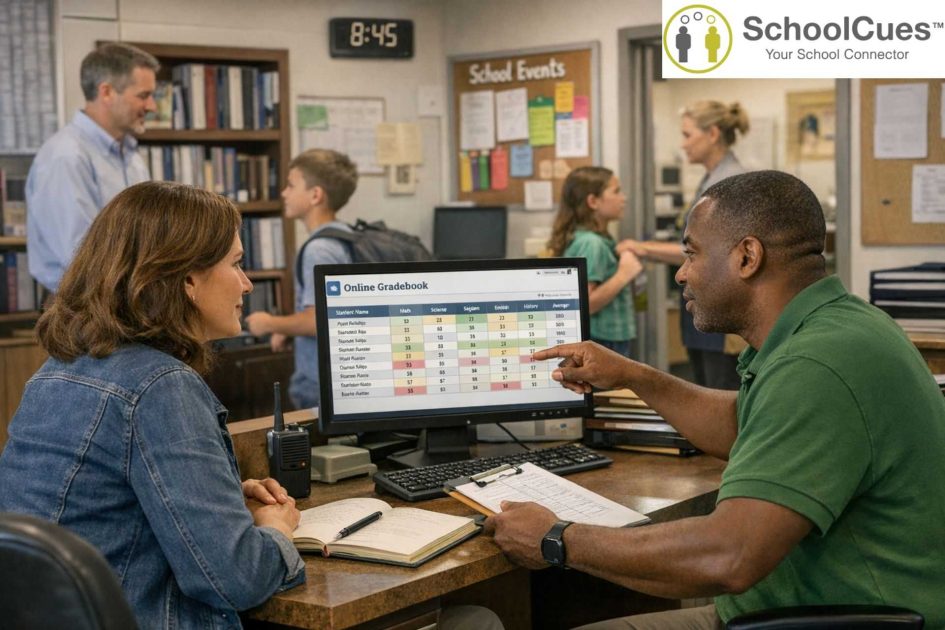
Schools are steadily rethinking how academic data is managed, shared, and used across daily operations. As expectations grow around transparency, accuracy, and timely communication, traditional grading methods often struggle to keep up. Online gradebook software offers a practical path forward—one that modernizes academic workflows without disrupting how schools already function.
Rather than adding complexity, the right digital gradebook brings clarity. It supports educators, keeps families informed, and ensures academic data is consistent, accurate, and accessible when it matters most.
Why Schools Are Rethinking Academic Management
Academic management plays a critical role in student success and operational efficiency. Grades influence instructional decisions, parent communication, and progress monitoring. When grading systems are manual or disconnected, errors increase and valuable time is lost.
By moving toward online gradebook solutions, schools can centralize academic data, reduce administrative workload, and create a more reliable grading process that supports both teaching and learning.
The Role of Online Gradebooks in Modern School Operations
An online gradebook functions as a digital record of student performance, allowing teachers to record, update, and review grades in real time. Unlike spreadsheets or paper systems, online gradebooks automatically calculate scores and maintain consistency across classes.
For schools exploring what an online gradebook is and how it works, these tools are often the first step toward more connected academic management and better visibility into student progress.
Key Benefits of Integrating Online Gradebooks
When gradebooks are fully integrated into school workflows, the benefits extend beyond convenience. Teachers gain time, administrators gain insight, and students receive clearer feedback.
Some of the most impactful advantages include:
- More accurate and consistent grade calculations
- Faster feedback for students and parents
- Reduced administrative effort for teachers
- Improved visibility into academic performance trends
For smaller teams, these efficiencies help maintain focus on instruction rather than data management.
Supporting Transparency and Accountability Across the School
Transparency is essential to building trust within a school community. Online gradebook software allows parents and students to clearly see grading criteria, assignment status, and performance updates throughout the term.
This visibility supports accountability at every level. Instead of last-minute surprises, schools can address academic concerns early and encourage constructive conversations around improvement and support.
Maintaining Data Accuracy, Privacy, and Compliance
Accurate academic records are non-negotiable. Integrated gradebooks reduce common errors caused by duplicate data entry or manual calculations. At the same time, modern platforms include role-based access controls that protect sensitive information.
By centralizing academic data within a secure system, schools strengthen data integrity while meeting expectations around privacy and responsible data handling.
Aligning Gradebooks with Broader School Management Systems
Gradebooks deliver the most value when they are part of a larger school management system. When grading tools connect with attendance, enrollment, and student records, information flows seamlessly across departments.
Schools adopting online gradebook solutions for small schools often find that integration eliminates data silos, improves reporting accuracy, and simplifies daily operations.
Best Practices for Successful Implementation
Successful gradebook implementation starts with simplicity. Schools benefit from choosing tools that are intuitive, easy to train on, and flexible enough to support different grading styles.
Clear grading policies, consistent usage across classrooms, and early staff onboarding help ensure adoption happens smoothly, and benefits are realized quickly.
Measuring Impact and Long-Term Value
The long-term value of an integrated gradebook system becomes clear over time. Schools can track improvements in grading accuracy, communication efficiency, and academic reporting.
Administrators also gain access to meaningful insights that support informed decision-making, making it easier to adapt academic strategies as school needs evolve.
Conclusion: Moving Forward with Confidence
Adopting an integrated online gradebook is a strategic move that improves academic accuracy, transparency, and operational efficiency. The right solution supports educators without adding complexity and gives school leaders clear visibility into academic performance.
For decision-makers evaluating which is the best online gradebook software for your school, the focus should remain on usability, system integration, and long-term value. A well-chosen gradebook strengthens academic oversight today and scales with future needs.
Request a demo to see how an integrated online gradebook streamlines grading, improves reporting, and supports effective school management.