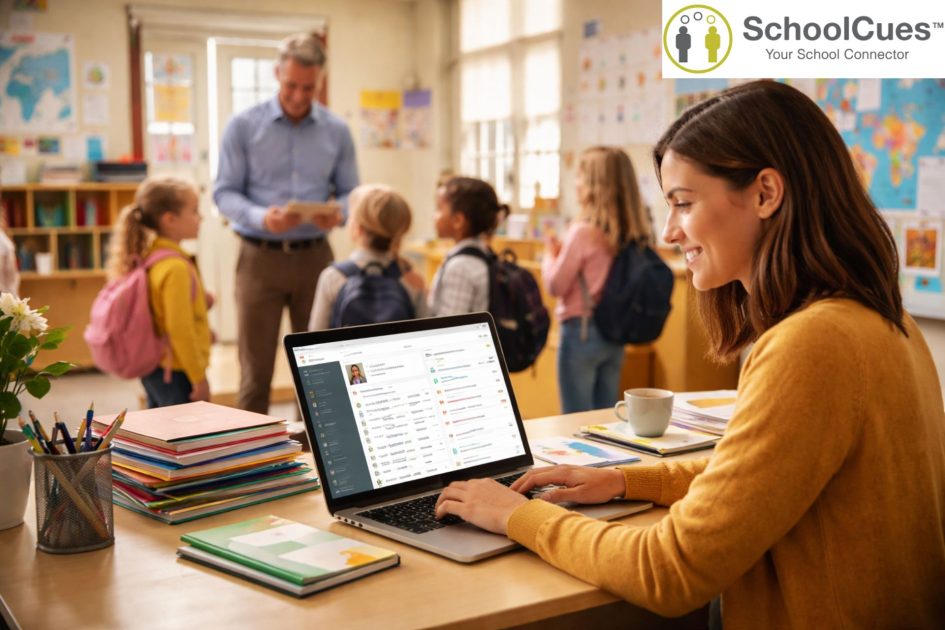
ERP school management software is often positioned as an essential tool for running modern schools efficiently. It promises centralized data, automated workflows, and better visibility across operations. However, for small schools, the reality can be very different. Limited staff, tight budgets, and simpler workflows mean that adopting a traditional ERP system may introduce more complexity than value. The key question small schools should ask is not whether ERP software is useful, but whether the system is designed with their scale and daily needs in mind.
What ERP really means in a school setting
In the education space, ERP software refers to a platform that connects administrative, academic, and financial functions into one unified system. Instead of managing separate tools for different tasks, schools use a single solution to handle core operations. This typically includes areas such as student information, admissions and enrollment, tuition billing and payments, attendance tracking, gradebooks, and communication with parents and teachers. When these functions are connected, schools benefit from consistent data, fewer errors, and a clearer picture of how the institution is performing on a day-to-day basis.
Why traditional ERP systems overwhelm small schools
Most traditional ERP systems were built for large institutions with dedicated IT teams and complex operational structures. When small schools try to use these systems, they often encounter challenges that slow them down rather than help. Common issues include:
- Feature overload, where many tools go unused
- Long and complicated implementation timelines
- Steep learning curves for teachers and administrators
- High costs driven by modular or add-on pricing
As a result, staff may spend more time managing the software than focusing on students and parents, which defeats the purpose of adopting an ERP system in the first place.
The shift toward lightweight, all-in-one platforms
To avoid the complexity of traditional ERP systems, many small schools are now moving toward lightweight, all-in-one platforms. These systems focus on essential functionality and ease of use rather than enterprise-level features. Schools prefer these solutions because they offer faster onboarding, intuitive interfaces, and tools designed specifically for small administrative teams.
Key advantages often include:
- Reduced training time for staff
- Simplified daily workflows
- Predictable and transparent pricing
- Flexibility to grow without added complexity
This approach allows small schools to gain ERP-style benefits without unnecessary operational strain.
How SchoolCues Compares Traditional ERP solutions
When schools evaluate ERP-style platforms, the differences usually come down to usability, cost, and how well the system fits everyday operations. Many traditional ERP systems are designed with large institutions in mind, which can make them overly complex and expensive for small schools. These platforms often include advanced features that go unused and may require additional tools or integrations to handle everyday tasks like billing, enrollment, or communication.
SchoolCues takes a more practical approach by offering an all-in-one platform built specifically for small schools. It brings together student records, enrollment, tuition management, attendance,and communication in a single system. Schools exploring what is a school ERP software includes often find that SchoolCues delivers the essential functionality they need in a way that is easy to use, quick to adopt, and manageable for small administrative teams.
Why integrated modules matter more than standalone tools
Using multiple standalone systems often creates inefficiencies for small schools. Staff may need to enter the same information repeatedly, increasing the risk of errors and inconsistencies. For example, enrollment data may not automatically sync with billing systems, or attendance records may not align with academic reports. An integrated ERP-style platform eliminates these issues by ensuring all modules work together, clearly showing how a school ERP system reduces administrative costs across daily operations. Key advantages include:
- Seamless data flow between enrollment, billing, and student records
- Real-time updates across academic and administrative modules
- Reduced manual work and fewer data discrepancies
This level of integration saves time and improves accuracy across the school.
How to choose an ERP that fits your school’s size
Selecting the right ERP solution requires focusing on real operational needs rather than impressive feature lists. Small schools should prioritize software that supports daily workflows and is easy for staff to adopt. Important factors to consider include:
- Ease of use and minimal training requirements
- Transparent pricing without hidden costs
- Reliable customer support during busy school periods
- Scalability that doesn’t add unnecessary complexity
The best ERP system doesn’t force schools to change how they work; it supports existing workflows, and that’s where SchoolCues stands out.
Conclusion: ERP should support schools, not slow them down
ERP school management software can be a powerful tool for small schools when it is designed with simplicity in mind. Traditional ERP systems often introduce complexity that small teams struggle to manage, while modern all-in-one platforms offer a more balanced and practical alternative. By choosing a solution aligned with their size and goals, small schools can streamline operations, reduce administrative effort, and focus more on delivering a better educational experience.